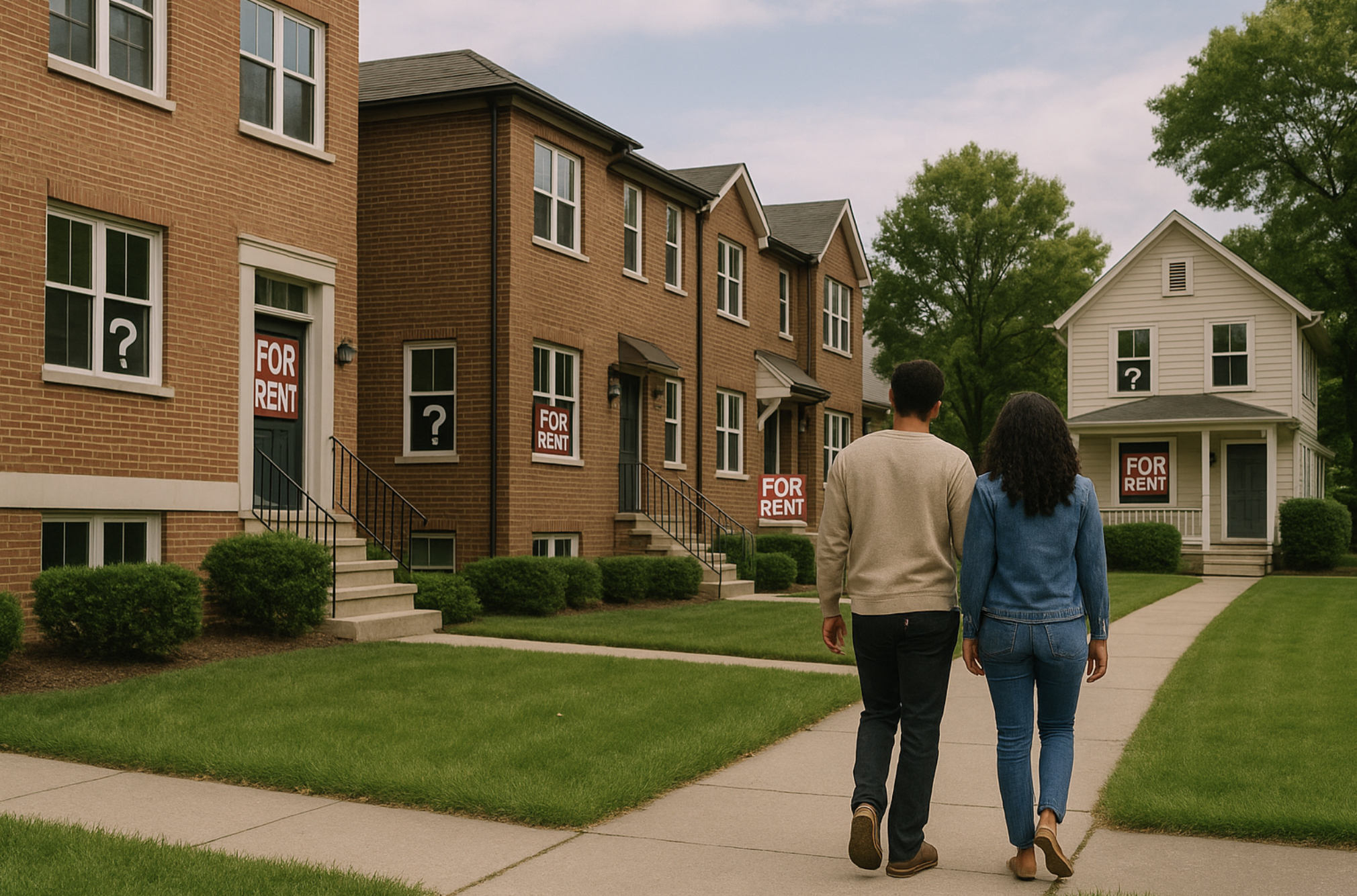
Your Essential Guide
Breaking Lease Legally isn’t just a phrase—it’s your right when circumstances demand change. Whether you’re in active military duty, facing domestic violence, dealing with harassment, or enduring substandard living conditions, South Carolina law may allow you to end your lease without penalty.
🛡 Legal Reasons to Break a Lease Legally in South Carolina
In South Carolina, landlords are generally required to allow tenants to break their leases for “good cause.” Good cause can include moving for a new job, attending school, or escaping domestic violence. State and federal laws also provide specific protections for other life-altering events.
Active Duty Military Relocation
South Carolina adheres to the Servicemembers Civil Relief Act (SCRA), which allows active duty military members to break their lease legally if they receive orders for a permanent change of station or deployment.Domestic Violence Protections
Tenants experiencing domestic violence may terminate their lease without penalty under South Carolina law. If you’ve obtained a protective order or have filed a police report, you qualify to break your lease legally for your safety.Landlord Harassment or Illegal Entry
Your right to quiet enjoyment is protected. If your landlord repeatedly enters your unit without notice, harasses you, or violates your privacy, this can be considered good cause to terminate your lease early.Uninhabitable Living Conditions
If your rental is unsafe or unlivable—due to mold, plumbing issues, pest infestations, or lack of heat—and your landlord fails to make timely repairs, South Carolina law may allow you to break your lease legally.Relocation for Work or Education
While not always guaranteed under every lease, South Carolina courts have recognized that significant life changes, such as starting a new job or enrolling in school, may be valid grounds to break a lease with proper notice and documentation.
✅ Steps to Break a Lease Legally
Review your lease for clauses on military duty, emergencies, or early termination.
Document everything: orders, protection orders, police reports, repair requests.
Send written notice to your landlord citing the specific legal reason.
Provide proof (e.g. copy of orders, police report) and keep copies.
Confirm in writing that the lease is terminated, including move-out date and any deposit return arrangements.
✍ Know Your Tenant Rights in South Carolina
Before deciding to break your lease, it’s crucial to understand your fundamental rights as a tenant in South Carolina. Under the South Carolina Residential Landlord and Tenant Act, you’re entitled to safe, habitable living conditions, privacy, proper notice before entry, and protection from retaliation scbar.org+2enjuris.com+2hemlane.com+2. For a thorough breakdown of landlord and tenant laws—including security deposits, repairs, evictions, and more—visit Enjuris’s guide on South Carolina landlord-tenant laws.
📞 Act Now!
Facing any of these challenges? Contact RMF Realty’s legal specialists today to discuss your situation. We’ll help ensure you can break your lease legally—quickly, safely, and effectively.