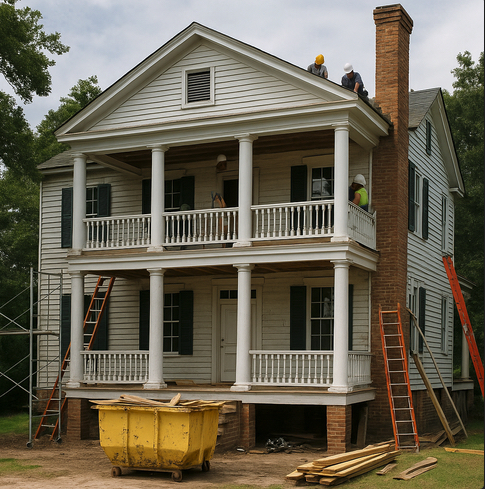
What Buyers Need to Know
When Moving Into Historic Homes in South Carolina
From architectural character to lasting craftsmanship, historic homes in South Carolina offer timeless charm and beauty. But before moving into one, it’s essential to understand the unique responsibilities and rules that come with preserving history. If you’re dreaming of owning a piece of the past, here are the key factors to keep in mind.
👉 Download the full consumer guide here:
🏘️ What Qualifies as a Historic Property?
A home is generally considered historic if it is at least 50 years old and has retained its architectural integrity or cultural importance. It may be:
Listed on the National Register of Historic Places (NRHP)
Part of a local historic district
These designations can affect how the home can be marketed, renovated, or maintained.
🛠️ Are There Renovation Restrictions?
Yes. Owning historic homes in South Carolina often means getting approval for even minor exterior updates—such as:
Window replacements
Repainting with modern colors
Installing solar panels
Expanding the structure
Many communities have local preservation boards that review these changes. Plan ahead and check requirements before making any offers or renovations.
🔍 What Should I Look for During a Home Inspection?
Older homes come with age-related quirks and potential issues, including:
Outdated wiring
Old plumbing
Foundation cracks
Lead paint or asbestos
Inefficient insulation
Hire an inspector with experience in historic homes to uncover any hidden problems and prioritize safety upgrades.
⚙️ Can I Make Modern Upgrades?
Absolutely—but carefully. Internal improvements like:
HVAC systems
Smart home features
Energy-efficient lighting
are generally permitted. However, exterior changes often need special approval and may require custom materials or skilled labor, increasing costs.
💡 Tip: Look into renovation financing programs to help offset the investment.
💰 Are There Financial Incentives?
Yes! South Carolina offers preservation-focused assistance through:
Local or state tax credits
Grants
Low-interest loans
Homes listed on the NRHP may qualify for federal tax incentives as well. Contact your local planning department or historic preservation office for more information.
🔧 What About Maintenance?
Maintenance for historic homes is ongoing and may require:
Period-appropriate materials like slate roofing or lime mortar
Skilled contractors familiar with historic techniques
Detailed records of repairs and updates
These requirements can add cost but also protect your investment and its historic status.
🛡️ How Does This Affect Insurance?
Insuring historic homes in South Carolina may be more expensive due to:
Age-related risks
The need for historically accurate restoration
Specialized repair requirements
Work with an insurance agent experienced in historic properties and compare coverage options.
🏡 Final Thoughts
Buying a historic home can be a rewarding experience—but it’s not for the faint of heart. Understanding the expectations, resources, and potential rewards can help you make an informed decision.
🔗 Download the full guide here:
📘 English
📗 Español
📞 Ready to Find Your Historic Dream Home?
At RMF Realty Team, we specialize in helping buyers navigate every step of the process—including the unique journey of purchasing a historic property.
➡️ Contact us today to explore your options in historic homes in South Carolina.
📩 DM us now or schedule a consultation at RMF Realty
🔖 Hashtags:
#HistoricHomesSouthCarolina #RMFRealtyTeam #PreserveHistory #SCRealEstate #OldHomeCharm #HistoricDistrictLiving #HouseHuntingSC #HomebuyerEducation #RenovationTips