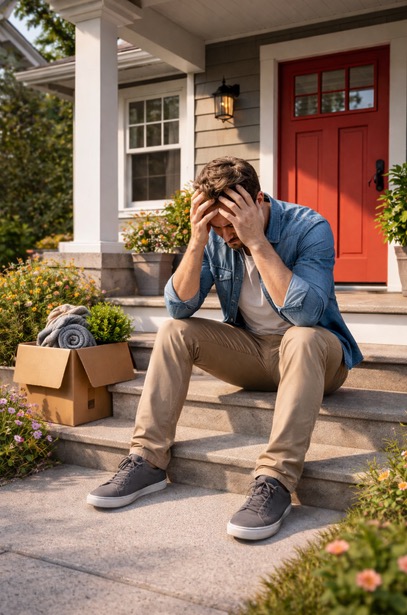
Avoid Buyer’s Remorse: Smarter Homebuying Choices
Have you ever wondered why so many homeowners today wish they’d thought twice before buying? The truth is, many people experience buyer’s remorse after sealing the deal on their home—especially those who bought during the pandemic when markets were hot and decisions were rushed. A recent survey revealed that 82% of homebuyers express regrets about their purchase, with many shocked by maintenance burdens, unmet needs, and hidden issues they didn’t see during the rush to buy.
Understanding how to avoid buyer’s remorse is crucial for today’s buyers. It goes far beyond glamorous kitchens or freshly painted walls—it’s about ensuring the structure, systems, and lifestyle fit your long-term goals. In this post, we’ll unpack the lessons learned from pandemic homebuying, explain the “lipstick on a pig” phenomenon, and give you practical strategies to sidestep regret and buy confidently.
Why Buyer’s Remorse Is so Common
During the pandemic homebuying boom, many buyers felt extreme pressure to act fast. Some waived inspections to make competitive offers or focused too much on surface appeal, dreaming of instant charm instead of long-term reliability. Another survey found a large share of pandemic purchasers later regretted feeling like they overspent or rushed the process, and many now find homeownership more costly and demanding than expected.
The result? Homeowners who didn’t fully understand the true condition of their property are now facing surprise repairs, maintenance expenses, and a mismatch between what they thought they were buying and the reality they live in.
Spotting the “Lipstick on a Pig” Trap
You’ve probably heard the phrase “lipstick on a pig”—especially in real estate. It refers to homes that look great on the surface (fresh paint, staged décor, trendy finishes) but haven’t addressed deeper, more expensive issues like structural problems, aging systems, or hidden damage.
When buyers focus only on cosmetic upgrades, they risk missing serious red flags. For example:
A beautifully remodeled bathroom may hide old plumbing.
A stunning kitchen could distract from foundation problems.
New flooring can mask uneven subfloors or moisture issues.
Even experts like the Property Brothers warn that aesthetic appeal shouldn’t override a home’s condition—if emotional motivation drives the purchase, regret often follows.
How to Avoid Buyer’s Remorse
Here are practical strategies to protect your investment and avoid regret:
🔍 1. Prioritize a Thorough Inspection
Never skip the home inspection—even in competitive markets. A trained inspector can uncover issues you’d never notice on a walkthrough, from electrical faults to hidden moisture risks.
🏡 2. Look Beyond the Surface
Ask questions about the age and condition of major systems (roof, HVAC, plumbing), and don’t be swayed only by pretty finishes.
📝 3. Set Realistic Must-Haves
Write down non-negotiables versus nice-to-haves. Staying grounded in what truly matters can keep emotions from overtaking logic.
💰 4. Stay in Your Budget
Avoid homes at the very top of your price range unless every key need is met. Stretching too far financially often leads to stress and regret.
🤝 5. Lean on a Trusted Realtor
An experienced agent is one of your best defenses against buyer’s remorse. They can help you evaluate issues, interpret reports, and negotiate smartly on your behalf.
Regret after buying a home doesn’t have to be the norm. By learning from pandemic buying behaviors, avoiding superficial charm, and focusing on substance over style, you can make a decision you’ll be proud of for years to come. At RMF Realty Team, our mission is to empower you with insight, transparency, and support so you never feel rushed into a decision—and you avoid buyer’s remorse every step of the way.
#AvoidBuyersRemorse #HomebuyingTips #RealEstateAdvice #RMFRealtyTeam #PropertyInspection #SmartHomebuying #RealEstateEducation #HomeOwnership