Introduction
As the world grapples with economic uncertainties, South Carolina, like many other states, finds itself navigating the complexities of inflation and its repercussions on various financial aspects of everyday life. Inflation, defined as the rise in general price levels over time, is an economic phenomenon that affects consumers and businesses alike. In this blog post, we’ll delve into the current inflation rate in South Carolina aiming to unraveling the current inflation rate in South Carolina and its impact on mortgage rates. A vital aspect of the real estate market and homeownership.
Understanding the Current Inflation Rate in South Carolina
As of the latest data available (July 2023), the United States, including South Carolina, has been experiencing an inflation surge. Various factors, including unprecedented demand, supply chain disruptions, and increasing production costs, have contributed to this phenomenon. The Federal Reserve, responsible for managing monetary policy in the country, closely monitors inflation to ensure economic stability.
The Impact on Mortgage Rates
The inflation rate plays a pivotal role in shaping the interest rates for mortgages. Mortgage rates are influenced by several factors, with inflation being a crucial determinant. The relationship between inflation and mortgage rates is often inversely proportional, meaning that when inflation rises, mortgage rates tend to follow suit.
1. Federal Reserve’s Monetary Policy:
To curb the effects of inflation and maintain economic equilibrium, the Federal Reserve may implement a tighter monetary policy. One of the key tools the Federal Reserve employs is raising the benchmark interest rate. This rate hike has a ripple effect on lending rates across the board, including mortgage rates. Consequently, borrowers seeking new mortgages or refinancing existing loans might encounter higher interest rates, making homeownership more expensive.
2. Impact on Homebuyers:
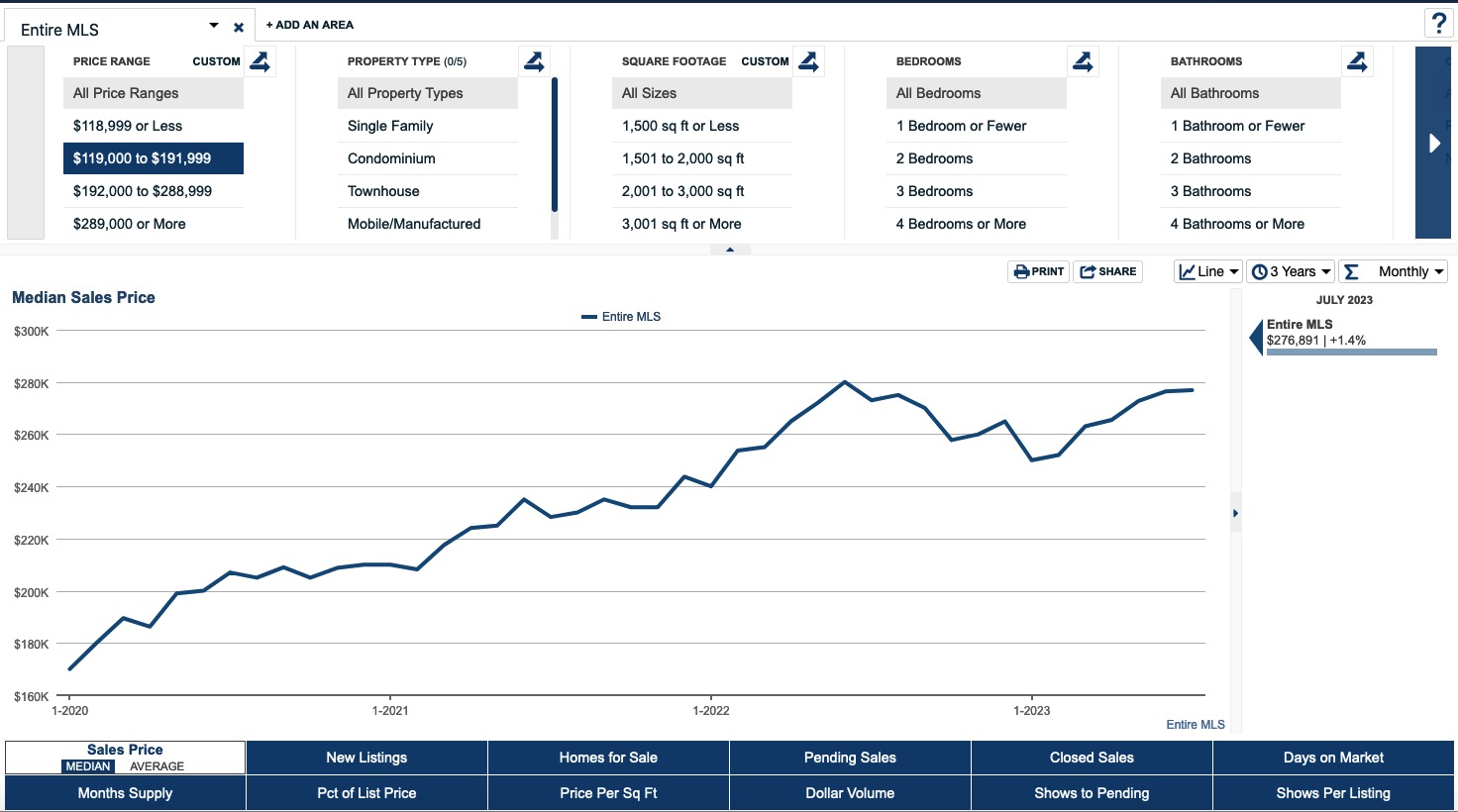
For prospective homebuyers in South Carolina, higher mortgage rates can dampen their purchasing power. Increased mortgage rates translate to higher monthly mortgage payments, which might push some potential buyers out of the market or force them to opt for smaller homes than they initially planned. In turn, this can lead to a slowdown in the real estate market and potentially result in decreased property demand and values.
3. Effect on Existing Homeowners:
Existing homeowners in South Carolina may also feel the impact of rising inflation on their mortgage rates. For those with adjustable-rate mortgages (ARMs), their interest rates could adjust upwards, leading to increased monthly payments. This could strain household budgets and affect the overall financial stability of homeowners.
4. Economic Growth and Employment:
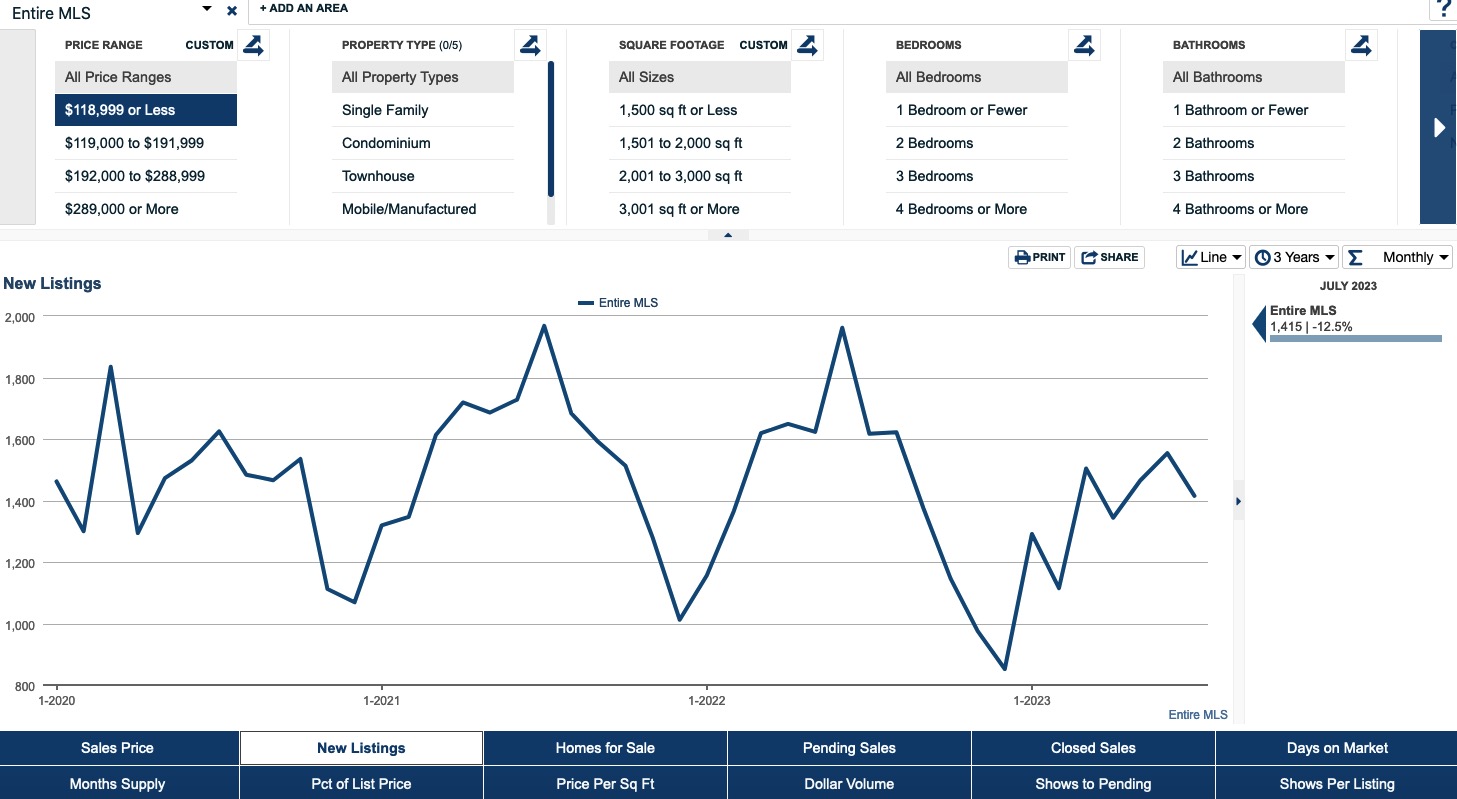
Inflation can have broader implications for the overall state economy and employment. Higher inflation rates may reduce consumer spending power, leading to decreased economic growth and a potential slowdown in job creation. This, in turn, might lead to a decrease in demand for real estate, affecting both homebuyers and sellers.
Conclusion:
As South Carolina grapples with the current inflation surge, it’s crucial for residents to remain informed about its impact on various financial aspects, particularly mortgage rates. While the Federal Reserve strives to strike a balance through monetary policy, homeowners and potential buyers must remain proactive and make informed decisions regarding their real estate endeavors.
As the situation remains dynamic, it’s advisable to stay abreast of economic developments and work closely with financial advisors and lenders to navigate these uncertain times successfully. Remember, understanding inflation and its effects on mortgage rates can empower you to make informed choices and protect your financial well-being in an ever-changing economic landscape.
#InflationRates, #SouthCarolinaEconomy, #MortgageRates, #RealEstateMarket, #RMFRealty, #SCRealtor,