1. Rake.
Fall leaves are colorful and fun to jump in of course, but they also can damage the lawn if they’re not removed in a timely matter. NALP also points out that in the winter, freezing and thawing leaves can actually release soluble forms of phosphate that can eventually end up in surface water.
2. Seed & Fertilize.
Home owners will want to fertilize their lawn from September throughout November, and should seed dead areas as well as the rest of the yard so it will look full and healthy for spring.
3. Trim.
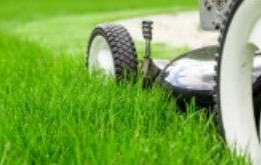
Ideally grass should be between 2 to 2 1/2 inches tall during the fall months. Any taller and it could actually cause mold to grow during the winter. Shorter grass will only encourage weeds to grow.
4. Out with the Old.
Trim the perennials so they’re close to the ground and make sure all of the weeds in the yard are pulled. Pulling weeds now will cause less to grow in the spring.