
Columbia, South Carolina is a popular destination for those seeking a southern lifestyle with a modern touch. Known for its rich history and charm, Columbia offers residents an affordable cost of living and a variety of entertainment options. If you’re considering a move to Columbia, here’s what you need to know about the cost of living in this vibrant city.
Columbia, the capital city of South Carolina, is a bustling cultural hub that welcomes all types of newcomers. With easy access to urban amenities and scenic mountains and beaches just a short drive away, Columbia is a fantastic destination. The city boasts a diverse array of attractions, including museums, restaurants, parks, and zoos, allowing visitors and residents to immerse themselves in the local culture and appreciate South Carolina’s unique charm.
 HOUSING IN COLUMBIA
As of 2021, the cost of living index in Columbia, SC is 84.3, which means it is 15.7% lower than the national average. This index takes into account the cost of housing, utilities, groceries, transportation, healthcare, and other miscellaneous expenses. Therefore, overall, Columbia is considered an affordable city to live in, especially when compared to other major cities in the United States.
When compared to other states in the US, housing costs in Columbia, South Carolina are generally lower. According to data from Zillow, as of September 2021, the median home value in Columbia is $164,900. This is significantly lower than the median home value in many other states, including California, New York, and Massachusetts, where home values can easily exceed $500,000. However, it’s important to note that housing costs can vary greatly depending on the specific neighborhood and location within Columbia. Overall, though, Columbia offers relatively affordable housing options when compared to many other states in the US.
Here are the key population statistics for Columbia, South Carolina:
- The city of Columbia has a population of over 136,000 residents, while the metropolitan area is home to more than 832,000 people.
- Over the past 10 years, Columbia’s population has increased by 7,360 new residents, representing a growth rate of 5.7%.
- As the capital of South Carolina, Columbia is the state’s second most populous city, trailing only Charleston.
- The metropolitan area of Columbia, also known as the “Midlands of South Carolina,” encompasses eight counties, including Richland (where Columbia is located) and Lexington.
- Between 2010 and 2020, the Columbia metropolitan statistical area (MSA) experienced a net population increase of nearly 80,000 people.
- By 2030, the population of the Columbia metro area is projected to exceed 900,000 residents.
The U.S. Census Bureau has recently published the net domestic migration figures for each state in 2022, indicating the number of people moving in and out of an area. Out of the fifty states, twenty-six states experienced a net influx of people, with more people moving in than out, while twenty-five states experienced a net loss of movers. Among the states that saw a net gain in domestic migration, Florida (318,855), Texas (230,961), North Carolina (99,796), and South Carolina (84,030) were the top performers. Positive net domestic migration, along with positive net international migration, played a significant role in driving population growth in these areas.
MEDIAN HOME PRICE
Data shows that the median cost of a home in Columbia is $165,000, whereas the national average median cost of a home in the United States is $306,300 As previously mentioned, many residents of Columbia, SC choose to rent homes instead of purchasing them, which invariably affects the average monthly cost of housing. In fact, there is almost an even 50-50 split between the homes in Columbia that are occupied by renters and those that are occupied by the owners.
AVERAGE RENT
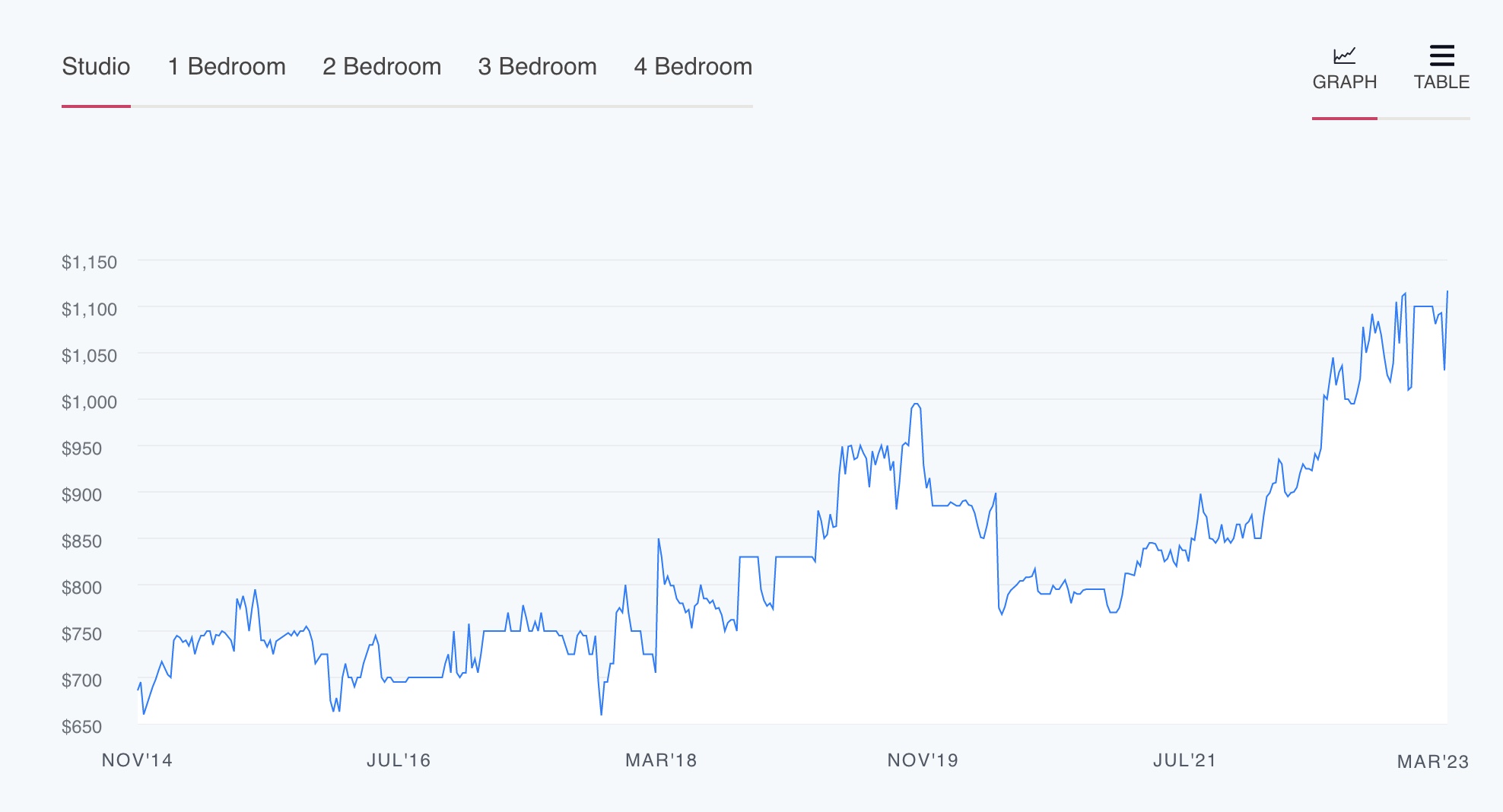
Columbia, SC, is a bustling city with a rich history and vibrant cultural scene. However, like many cities, the cost of living can be a concern for residents. In the past month, the rental market in Columbia has seen some interesting trends. According to recent data, the average rent for a studio apartment decreased by 3% to $1,267, while the average rent for a one-bedroom apartment increased by 2% to $1,117. The average rent for a two-bedroom apartment also increased by 4% to $1,200. Three-bedroom and four-bedroom rental properties are the most expensive, and they will typically cost around $1,537 and $1,743, respectively.
UTILITIES
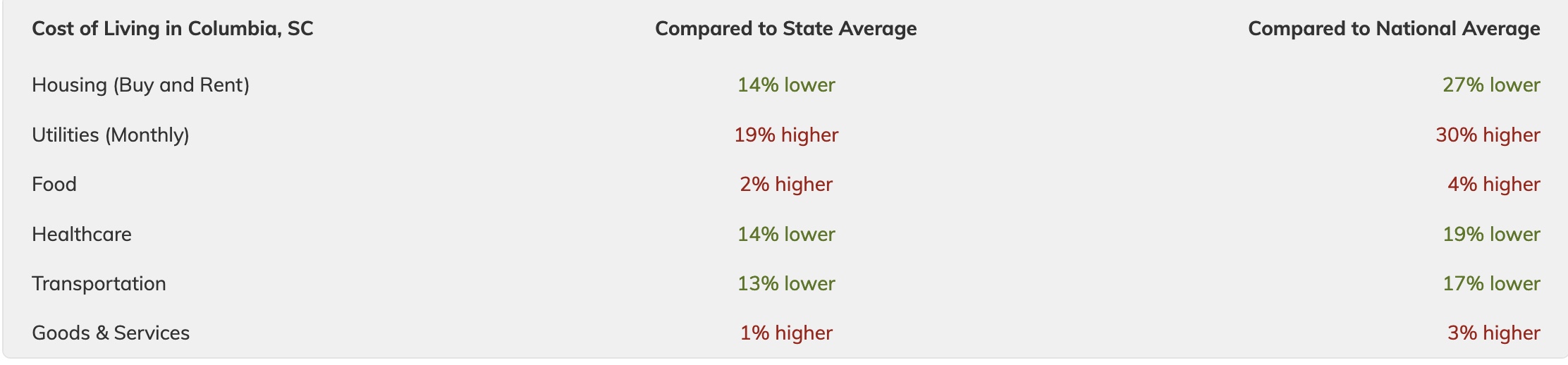
In Columbia, SC, the cost of living is lower compared to both the state and national averages, with a 2% and 6% reduction, respectively. Housing costs are particularly lower at 27% cheaper than the U.S average, although utility expenses are about 30% higher. For basic necessities like food and clothing, groceries are only slightly more expensive at around 3% higher, while clothing is also around 3% more costly. Healthcare services, including doctor check-ups and dentistry, are cheaper at 19% less than the national average. However, non-essential expenditures like entertainment and grooming services are slightly more expensive at 3% higher in Columbia, SC.
Residents should anticipate paying an extra 8.9% for utilities, which includes electricity, gas, water, cable, and internet. For a 1000 square foot apartment, the estimated monthly cost of basic utilities is around $170, with an additional $75.00 for an internet package.
GROCERIES
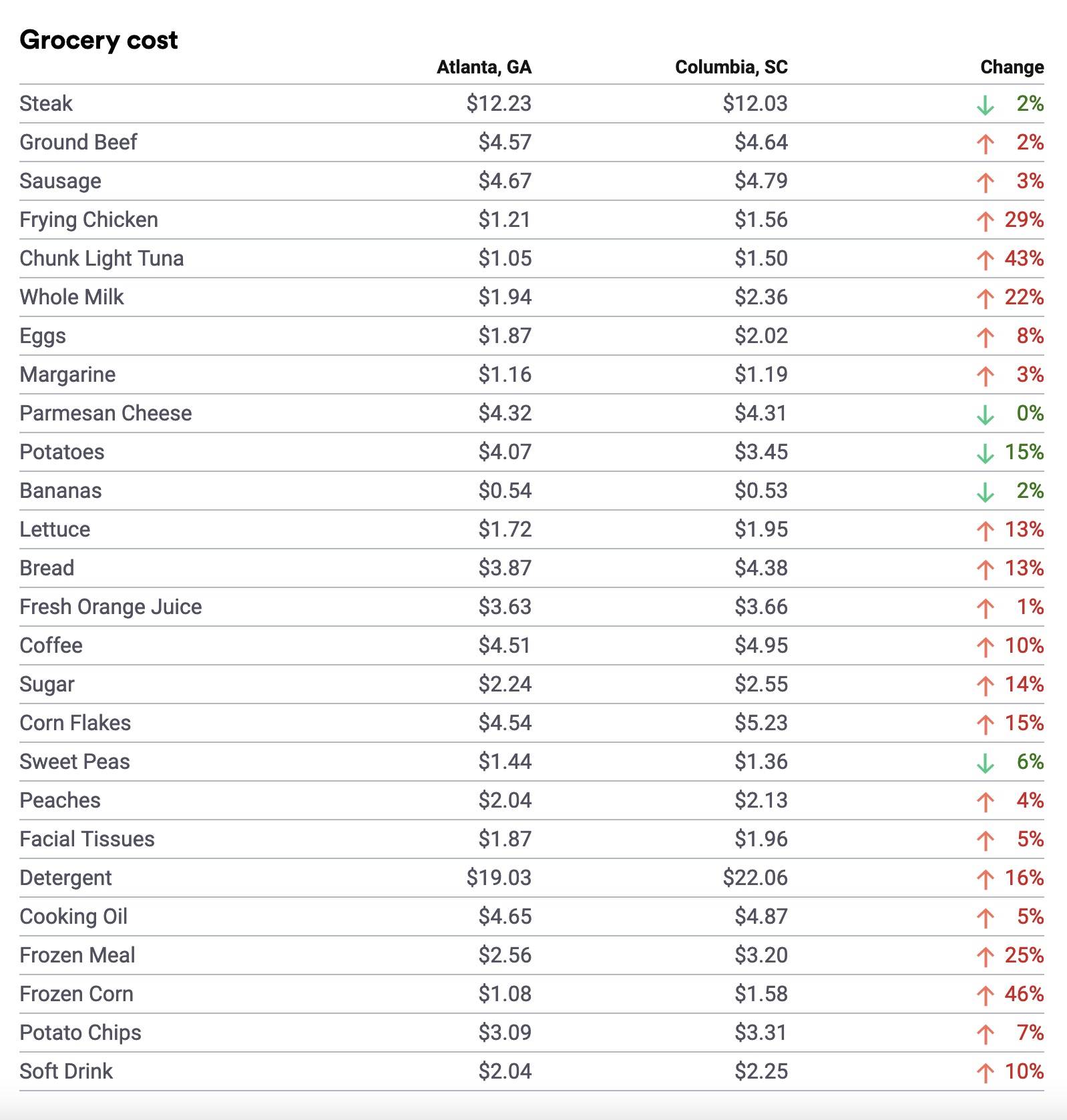
Typically, when shopping at their preferred grocery store, residents of Columbia should expect to spend between $246.72 and $290.88, which is lower compared to the national average. While 4% might not appear to be a significant amount, these savings can accumulate over time.
There are various grocery shopping options available to residents of Columbia. Kroger, Fresh Market, and Lidols are all dependable choices, while stores like Target and Walmart offer the convenience of one-stop shopping for both groceries and household items. However, some of these larger retailers may have higher prices.
WINING & DINING

Columbia, SC boasts a diverse culinary scene with a wide variety of dining options. From classic southern cuisine to international flavors, there is something to suit every palate.
For those seeking classic southern fare, restaurants like Bourbon and Motor Supply Co. Bistro are highly recommended. For more upscale dining, Halls Steak House and Hampton Street Vineyard are popular choices.
Columbia also has a thriving international food scene, with restaurants featuring cuisine from all around the world. For instance, Basil offers delicious Thai food, while Green Olive provides an excellent selection of Mediterranean dishes.
Moreover, the city has a thriving barbeque culture, and locals often debate about the best BBQ joint in town. Places like Lil Pigs BBQ and Hudson’s Smokehouse Barbeque are highly regarded by residents and visitors alike.
There are also many charming cafes and bakeries in the area, including Cafe Strudel and Haven Coffee House in Lexington, where patrons can enjoy delicious breakfast and brunch items.
In conclusion, Columbia, SC has a rich and diverse restaurant scene that is sure to delight foodies and casual diners alike.
TRANSPORTATION
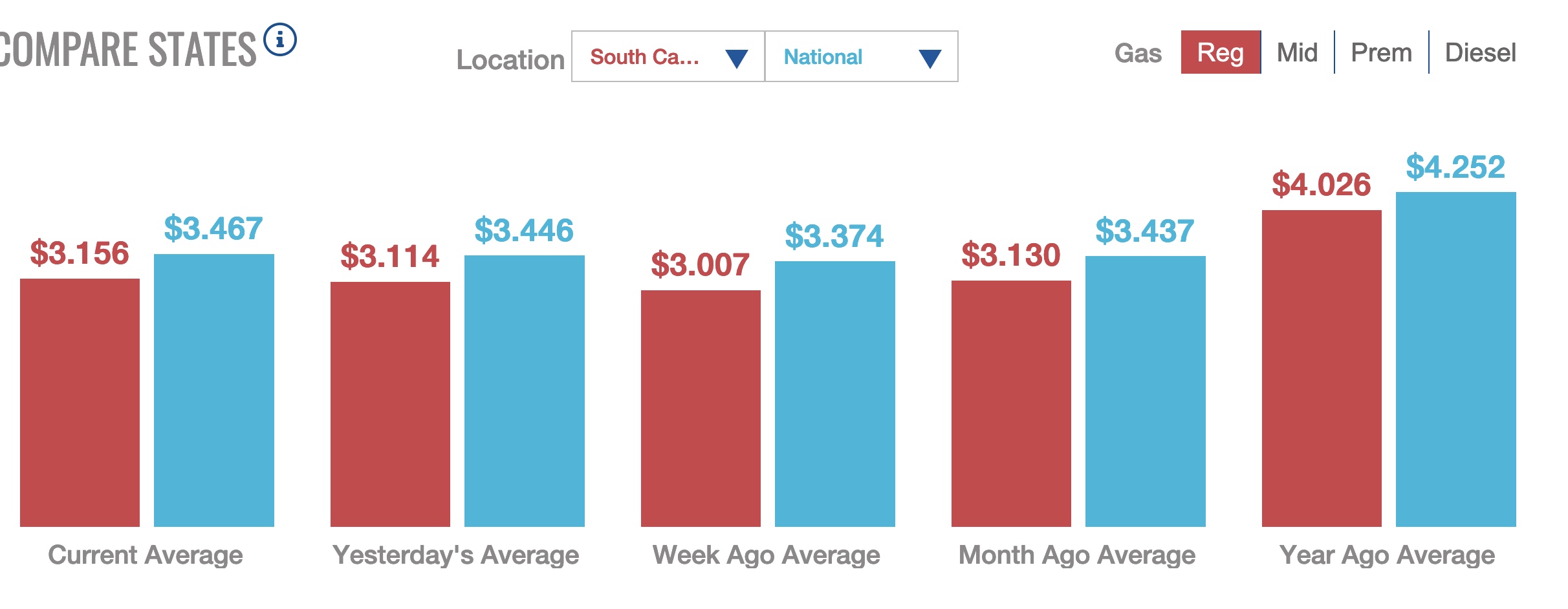
Transportation costs in Columbia, SC are notably lower compared to the national average. On average, car owners in Columbia spend $1,918 per year on insurance, which is only $24 more than the average auto insurance cost in South Carolina and $236 more than the national average. Additionally, South Carolina is known for having some of the most affordable gas prices in the country, which is reflected in Columbia. The current average price for a gallon of gasoline in Columbia is $3.00, while the national average is $3.50.
There are several options available for those who use public transportation in Columbia, SC. The COMET is one such option, offering day, week, and month passes for $4, $14, and $40, respectively, as well as one-way tickets for $2. Eligible individuals can also take advantage of discounted and free fares. Additionally, the Soda Cap Connector provides free transportation between various entertainment districts.
For those who have disabilities and cannot utilize traditional public transportation, DART (Dial-A-Ride Transit) is available. Individuals interested in using DART must complete an application, and upon approval, they can ride for $4 per trip.
Columbia also has a bike-share program called Blue Bike, which is offered through BlueCross BlueShield of South Carolina. Riders can opt for a single ride, a monthly membership, or an annual membership to enjoy the convenience of biking around the city.